

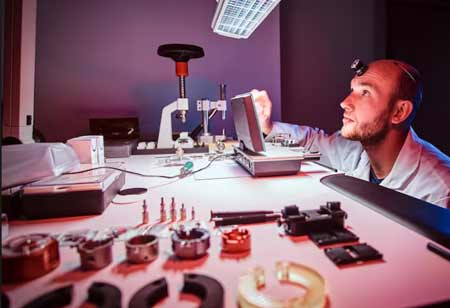
Reactor design software plays a central role in advancing precision and efficiency across modern process industries. By enabling detailed digital representation of chemical and thermal reaction systems, this software transforms theoretical models into practical engineering insights. It supports the evaluation of reactor configurations, operating parameters, material compatibility, and safety considerations within controlled simulation environments. Through rigorous computational analysis, complex reaction mechanisms and transport phenomena can be examined without reliance on repeated physical trials. As industrial sectors pursue optimization, sustainability, and consistent product quality, reactor design software continues to strengthen its position as an essential analytical foundation within engineering workflows.
Be first to read the latest tech news, Industry Leader's Insights, and CIO interviews of medium and large enterprises exclusively from Energy Tech Review
Harnessing the Power of Reactor Design Software for Enhanced Process Optimization
Rethinking Ammonia Production for a Distributed Energy Future
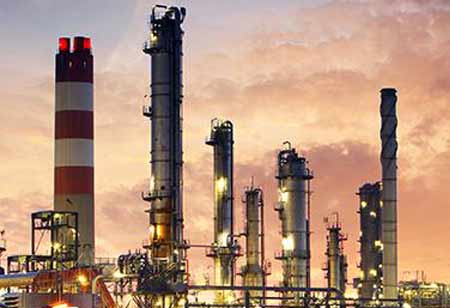
Ammonia production in Europe is entering a period of structural tension as decarbonisation targets collide with infrastructure built around centralised, fossil-dependent systems. Conventional synthesis methods rely on continuous high-temperature processes that favour scale over flexibility, leaving producers exposed to volatile feedstock pricing and rigid location constraints. Energy markets, meanwhile, are shifting toward decentralised renewable generation, often producing intermittent or surplus electricity that cannot be easily monetised. This misalignment between how energy is generated and how ammonia is produced is forcing buyers to reconsider both technology pathways and deployment models.
Europe's Energy Transition: The Strategic Role of Nitrogen Electrolysers
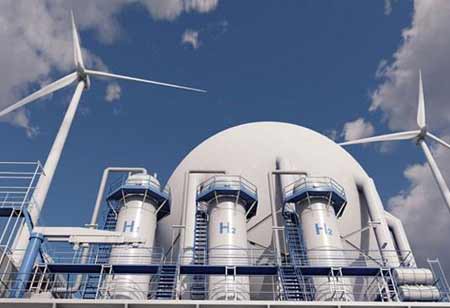
Industrial transformation across Europe is reshaping capital priorities, elevating nitrogen electrolyser technology into a focal point of strategic energy and manufacturing discussions. As heavy industry recalibrates around emissions performance, supply resilience, and long-term cost stability, localised gas generation solutions are moving from peripheral consideration to core infrastructure planning. Investment committees and public authorities alike are weighing nitrogen electrolysis within broader decarbonisation portfolios, reflecting an industry no longer defined by pilot initiatives but by structured commercial deployment. The sector’s condition reveals disciplined expansion, rising institutional interest, and increasingly sophisticated competitive positioning.
Designing Chemical Reactors With Foresight, Not Convention
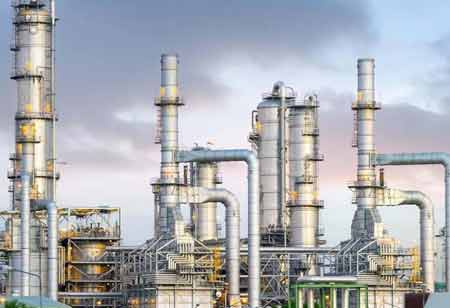
Reactor design software occupies a decisive position within chemical manufacturing organizations because the reactor ultimately governs yield, selectivity, safety and long-term profitability. Yet many industrial teams still approach reactor design as a constrained exercise, relying on inherited configurations, licensed black-box systems or simplified models that privilege familiarity over suitability. This tendency persists not because alternatives are unavailable, but because the consequences of failure are visible while the costs of suboptimal design remain quietly embedded in daily operations.
Advancing Non-PFAS Ion Exchange Membranes for Green Hydrogen
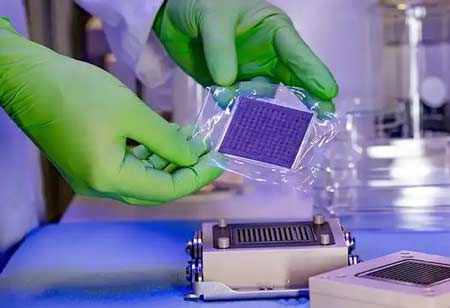
Ion exchange membranes sit at the center of green hydrogen production, yet many executive teams underestimate how deeply material choices shape cost structures, safety profiles and long-term scalability. Proton exchange membrane systems currently dominate commercial deployment. Their performance is proven, but they rely on PFAS-based materials and precious metals such as iridium and platinum, alongside titanium hardware. Environmental scrutiny around PFAS and volatility in critical mineral supply chains place pressure on developers, electrolyzer manufacturers and investors to reassess their technology stack.
Chemical Remediation as a Strategic Enabler of the Energy Transition

The move to a low-carbon global economy is reshaping industrial priorities and highlighting the link between environmental stewardship and energy development. As renewable infrastructure expands and heavy industry electrifies, the remediation sector has become essential to this transition. Chemical remediation is now seen not just as a compliance measure but as a key step in preparing land for renewable projects and supporting the sustainable extraction of critical minerals.
Trends in the Clean Energy Membrane Sector
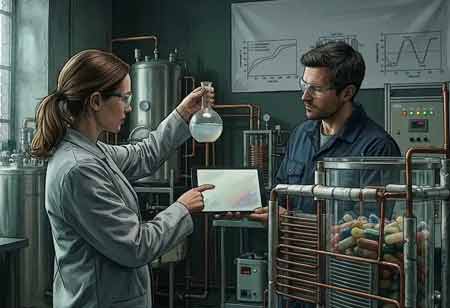
Capital is moving with greater selectivity across the clean energy landscape, and materials once treated as peripheral are now subject to board-level attention. Ion exchange membranes sit within that recalibration. Their commercial trajectory is being shaped less by laboratory performance claims and more by how convincingly they support scaled energy infrastructure.